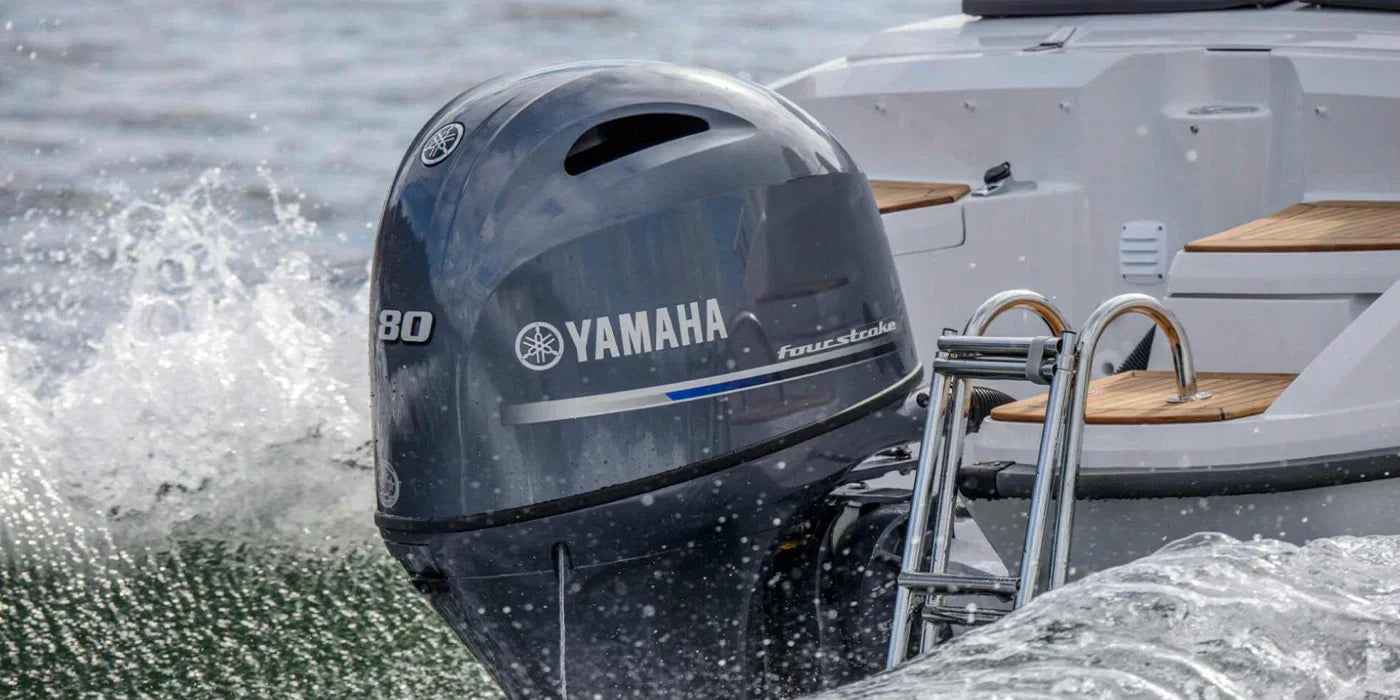
When you're ready to move beyond the basics and power a larger vessel, mid-horsepower outboards—typically 40 HP to 115 HP—strike a perfect balance between power, weight, and versatility. These motors are a top choice for bass boats, center consoles, pontoons, bay boats, and multi-use family boats.
But with more horsepower comes more complexity—more rigging options, more tech, and more decisions to get right. Let’s break down what matters most when shopping in this category.
Selecting the Right Horsepower
Mid-range outboards come in dozens of variants, and the right one depends heavily on your boat’s hull design, max HP rating, and your desired performance. A well-matched engine not only ensures safe operation but can significantly impact holeshot, fuel economy, and cruising comfort.
-
If you're powering a light fiberglass skiff, a 60- or 70-horsepower motor may be ideal.
-
For a pontoon carrying 6+ passengers, look closer to 90–115 HP.
-
Too little power means your engine has to work harder, burns more fuel, and wears out faster.
-
Excessive power can lead to unnecessary costs, increased weight, and potential handling issues.
Check your boat’s capacity plate and aim for at least 80% of max HP to ensure strong acceleration, effective planing, and better resale value in the long run. Many boat owners regret underpowering their vessel, especially when they later add gear or passengers.
Fuel Injection vs. Carbureted Models
By the time you hit the mid-HP range, electronic fuel injection (EFI) is standard on most models, and for good reason. EFI systems deliver more precise fuel metering, resulting in improved combustion, smoother performance, and enhanced fuel economy across a wide range of RPMs.
-
Easier cold starts
-
Smoother throttle response
-
Better fuel efficiency and emissions performance
-
Auto-adjusts for elevation, temperature, and load
Although some older or lower-cost models may still use carburetors, they require more manual adjustment and can struggle in varying conditions. EFI also tends to be more reliable over time, especially in boats stored for long periods between uses.

Rigging and Control Systems for Mid-Horsepower Outboard Engines
Mid-horsepower outboard engines typically use helm-mounted throttle and shift controls, which opens the door to a wide range of rigging options. The proper setup depends on your boat's layout, intended use, and budget.
-
Mechanical controls – Reliable and lower-cost, but with more moving parts and more friction over time
-
Digital throttle and shift (DTS/DBW) – Smooth operation, fewer cables, and better integration with modern helms
-
Side-mount vs. binnacle – It depends on the helm space and layout; side-mounts are compact, while binnacles offer ergonomic throttle access.
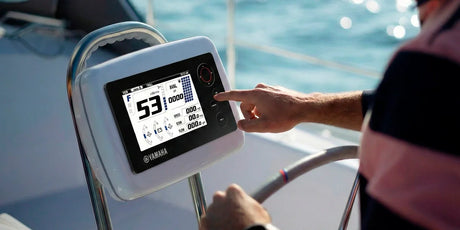
Also, think about gauges and displays. Most outboards in this range support:
-
Analog gauges – Simple and budget-friendly
-
Digital displays – More precision and data readouts
-
Integrated systems like Mercury VesselView, Yamaha Command Link, or Suzuki SMG – Allow complete monitoring of fuel burn, RPMs, engine diagnostics, and more
Choosing compatible controls and displays can enhance your experience on the water and reduce troubleshooting issues.

Fuel System Requirements
Once you're into this horsepower range, portable tanks are no longer an option. These engines are designed to draw fuel from built-in tanks using permanent fuel lines and marine-rated filtration systems. Your fuel system becomes part of your overall rigging plan.
-
Typical boats use 20–50 gallon tanks, depending on size and expected range.
-
You’ll need quality fuel lines, filters, and a water separator to prevent contamination.
-
Ethanol-free gas is preferred, or use stabilizers if ethanol is unavoidable, to reduce gumming and phase separation.
-
Expect fuel burn around 4–10 gallons per hour, depending on load, throttle, and hull efficiency.
A properly maintained fuel system reduces breakdowns, improves combustion, and protects engine components over time, especially critical if your boat sits unused between trips.
Four-Stroke vs. Two-Stroke Engines
In the mid-range class, four-stroke engines are now the norm, thanks to regulatory changes, market trends, and evolving consumer demand. Four-stroke outboards offer significant advantages in terms of cleanliness, efficiency, and long-term ownership cost.
-
Quieter operation – Less fatigue during long days on the water
-
Better fuel economy – Especially at idle and cruising speeds
-
No oil mixed into fuel – Uses separate oil reservoirs for cleaner running.
-
Cleaner emissions and less maintenance – Meets EPA and CARB requirements
Legacy two-strokes like the Evinrude E-TEC and Yamaha HPDI once dominated for their lightweight design and responsive acceleration. Manufacturers have discontinued these engines, and you won't find them in current new-model lineups. You can still find them on the used market, but they often come with limited support and hard-to-find replacement parts.
Unless you're buying used or have a very specific performance need, go four-stroke—it’s the standard for a reason.

Noise, Vibration, and Technology Features
Modern four-stroke mid-range engines are impressively refined. Gone are the days of noisy, clunky mid-power outboards. Today’s engines run quietly and smoothly, offering better boating comfort and advanced features that improve handling and safety.
-
Sound-dampening cowlings reduce engine noise, especially at idle and cruise.
-
Balanced crankshafts and soft engine mounts help minimize vibration throughout the hull.
-
Many models now include:
-
Variable trolling RPM – Ideal for anglers or maneuvering in tight spaces
-
Digital tilt/trim memory – Returns the engine to a stored trim position automatically.
-
Theft-deterrent systems – Keyless starting or integrated engine locks
-
Smartphone apps and diagnostics – Track engine hours, maintenance intervals, and live diagnostics
-
Variable trolling RPM – Ideal for anglers or maneuvering in tight spaces
If you're upgrading from an older motor, these features can make a dramatic difference in the overall feel and enjoyment of your time on the water.
Corrosion Protection and Cooling Systems
If you’re running in saltwater or brackish environments, corrosion protection is a must. Salt is unforgiving, and without proper defense, outboard motors can suffer from rapid wear and costly repairs.
Look for motors that offer:
-
Flush ports for easy cleaning after use
-
Zinc and sacrificial anodes to protect internal components
-
Sealed electronics and stainless-steel fittings for durability
-
Dual water intakes for consistent cooling in shallow or weed-heavy areas
Many manufacturers also apply multi-stage paint processes that protect internal and external components from corrosion, UV damage, and impact. These features are essential for year-round or saltwater use.
Manufacturer Comparisons
Most manufacturers have standout offerings in this horsepower range. While core features are often similar, each brand emphasizes specific strengths that can make a difference depending on your needs.
-
Yamaha Mid-Range Outboards– Excellent reliability, refined power curves, and top-tier corrosion protection
-
Mercury Mid-Range Outboards – Lightweight models, strong acceleration, and innovative digital tech like SmartCraft and VesselView
-
Suzuki Mid-Range Outboards – Known for quiet operation, lean burn control, and maintenance-friendly design
Choosing the right manufacturer often depends on local service support, dealer availability, and how well their tech fits into your overall boat setup.
Conclusion: Choosing the Right Mid-Range Outboard Motor
Choosing a mid-horsepower outboard isn’t just about top speed—it’s about matching the engine to your boat, your use case, and your expectations. The right motor will feel like an extension of your boat: smooth, reliable, and capable across a range of conditions.
Take the time to evaluate rigging needs, power-to-weight balance, brand support, and long-term maintenance. The result? Better performance, lower operating costs, and more enjoyable days on the water.
FAQ – Mid-Range Outboard Motors
What boats are best suited for mid-horsepower outboards?
Boats between 16 and 22 feet—including bay boats, pontoons, deck boats, center consoles, and aluminum fishing boats—typically use 40–115 HP engines. These motors provide the power needed for safe cruising, towing, or fishing, while remaining efficient and manageable.
What’s the fuel economy like for a 90-HP outboard?
A modern 90 HP four-stroke will burn around 4–5 gallons per hour at cruising speed, depending on factors like boat design, load, trim, and throttle control. Some models with lean-burn technology may push that number even lower under ideal conditions.
Is digital throttle and shift (DTS/DBW) worth it?
Yes—especially if you value smoother shifts, easier multi-engine control, and cleaner rigging. DTS also reduces mechanical wear, improves throttle response, and integrates more easily with smart displays and electronics.
Can I install a mid-horsepower outboard myself?
While technically possible for skilled individuals, it's not recommended. These engines require precise rigging, correct electrical integration, and programmed diagnostics to function properly. Improper setup may void the warranty or lead to performance and safety issues.
How often should I service a 70–115 HP engine?
General recommendations:
-
Oil and filter: every 100 hours or annually
-
Water pump/impeller: every1-2 years.
-
Spark plugs and fuel filters: annually
-
Flush the motor after every saltwater use.
Always refer to the manufacturer’s maintenance schedule for model-specific guidance. PartsVu’s customer service team is here to help if you're looking for outboard engines for sale. Contact us!